
Best Automatic Fire Extinguisher for E-Bike Charging in 2026: How to Prevent Lithium-Ion Battery Fires at Home
0 Comments
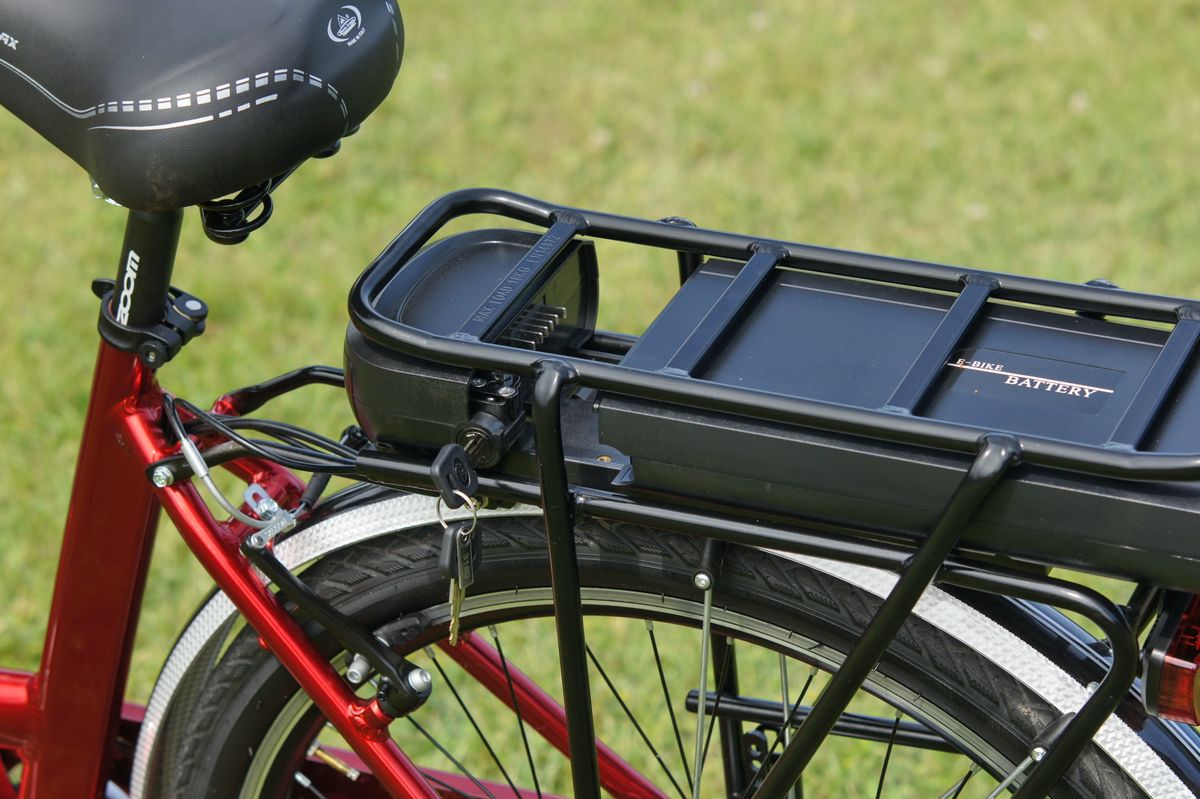
E-bike and lithium-ion battery fires have become one of the fastest-growing residential fire risks in the United States. In New York City alone, the FDNY responded to more than 270 lithium-ion battery fires in 2023, resulting in 18 deaths and 150 injuries — numbers that have continued to climb into 2026. If you charge an e-bike, e-scooter, cordless tool battery, or any EV-class lithium pack inside your home or garage, you have a fire-prevention problem that smoke detectors alone cannot solve.
This guide is for anyone shopping for the best automatic fire extinguisher for e-bike charging in 2026. We'll cover why lithium-ion battery fires behave differently from ordinary house fires, what fire protection actually works, and how to choose the right automatic suppression device for your charging area.
Why E-Bike Fire Prevention Now Requires Automatic Suppression
Lithium-ion fires are not normal fires. When an e-bike battery enters thermal runaway, individual cells short internally and release flammable electrolyte vapor in a chain reaction. The result is a fire that:
- Reaches peak intensity in under 60 seconds — far faster than typical residential combustion.
- Produces its own oxygen as the battery decomposes, so smothering alone often fails.
- Releases toxic hydrogen fluoride and carbon monoxide gases that can incapacitate occupants in minutes.
- Re-ignites after being apparently extinguished, sometimes hours later.
That timeline matters. By the time a smoke detector sounds, you may have less than two minutes to act — and if the battery is in a detached garage or basement where no one hears the alarm, manual response is essentially impossible. This is the gap that automatic fire suppression for e-bike charging is designed to close.
How an Automatic Fire Extinguisher for E-Bikes Works
An automatic fire extinguisher is a self-activating device that mounts on the ceiling or wall above the hazard. When the temperature at the device reaches a fixed threshold (typically 155°F to 175°F), an internal trigger releases the suppression agent over the area below. There is no app, no battery, no wiring, and no human intervention required.
For e-bike fire prevention, the value proposition is simple: the device is on duty 24/7, even when you're asleep, at work, or away. If a battery you're charging in the garage at 2:00 a.m. goes into thermal runaway, the suppressor activates before the fire spreads to wall studs, neighboring vehicles, or your living space above.
Haven Automatic Fire Suppressors are designed exactly for this scenario — small, self-contained, always-on protection for the spaces where lithium-ion batteries actually live: garages, workshops, home offices, and utility rooms. See Haven's full home fire safety lineup →
Comparing Lithium Battery Fire Suppression Options
If you're researching how to protect your charging area, you've probably run across four main categories of solution. Here's an honest comparison of how each performs against an e-bike fire:
| Protection Type | Automatic? | Works on Li-Ion? | Best For |
|---|---|---|---|
| Smoke detector | Alerts only | Doesn't suppress | Occupied living spaces |
| Manual ABC extinguisher | No — requires a person | Limited — struggles with thermal runaway | Small ordinary-combustible fires |
| Residential sprinklers | Yes | Cools but doesn't fully stop reignition | Whole-home protection in new builds |
| Automatic fire suppressor (Haven) | Yes — heat-activated | Yes — rapid knockdown of pooled and surface fire | Garage / charging area / workshop |
Sprinklers are excellent — if you're building new or doing a major renovation. For the typical homeowner who just wants automatic fire extinguisher protection above the e-bike charger they installed last weekend, retrofitting sprinklers is impractical. A point-of-hazard automatic suppressor delivers protection where you actually need it without tearing into ceilings.
What to Look for in an Automatic Fire Extinguisher for E-Bike Charging
Not every device marketed as “automatic” is appropriate for lithium-ion hazards. Here's a checklist when comparing products in 2026:
- Fixed-temperature activation around 155–175°F. This catches a developing fire early without nuisance trips from summer garage heat.
- No power, no app, no Wi-Fi. The device needs to work during a power outage and after years on the ceiling. Anything that depends on batteries or cloud connectivity has more failure modes.
- Coverage area matched to your room. Confirm the manufacturer's stated square footage of coverage and mount one device per coverage zone.
- Non-toxic, non-corrosive agent. You don't want a suppression chemical that ruins every tool, bike frame, and electronic device in the room when it discharges.
- Made in USA, third-party tested. Look for independent lab certification and a manufacturer that publishes test data instead of vague marketing claims.
- 10+ year service life. Cheap devices need swapping every 2–3 years — a hidden cost most buyers don't notice until later.
Haven Automatic Fire Suppressors are made in the USA, require no power or app, and use a clean agent that won't damage electronics or finishes. That last point matters more than people realize when the alternative is a dry-chemical sprinkler discharge over a $4,000 e-bike.
Where to Install an Automatic Fire Extinguisher for E-Bike Safety
Placement determines whether the device sees the fire in time. For e-bike fire prevention, install directly above the charging location, not somewhere else in the room. Specifically:
- Directly above the charger or battery storage shelf, mounted to the ceiling. Heat rises — this is the fastest activation path.
- Within the manufacturer's stated coverage radius (typically a circle 8–12 feet across centered on the device).
- Away from HVAC supply registers that would push hot air past the sensor and delay activation.
- Pair with a smoke detector in the same room so you also get an alert — the suppressor stops the fire, the detector wakes you up.
The same logic applies to other lithium-ion hazards: cordless tool battery chargers in workshops, home office UPS units, electric scooters in entryways, and EV chargers in attached garages. Anywhere you regularly charge a high-capacity lithium pack is a candidate.
Lithium Battery Fire Prevention Checklist (Beyond the Extinguisher)
Automatic suppression is your last line of defense. Combine it with these prevention habits to dramatically reduce the chance of ever needing it:
- Charge e-bikes and large lithium batteries in a garage or non-living space, never in a hallway that blocks your exit path.
- Use only the manufacturer-supplied charger — aftermarket chargers are a leading cause of battery fires per FDNY data.
- Stop using and isolate any battery that has been dropped, swollen, dented, or water-damaged.
- Never charge unattended overnight if you can avoid it — or, if you must, install automatic suppression so “unattended” isn't really unattended.
- Keep batteries between 50°F and 80°F during charging. Heat accelerates degradation.
- Don't store charging batteries on or near upholstery, cardboard, paper, or flammable liquids.
- Replace e-bike batteries that show noticeably reduced runtime — degraded cells are higher fire risk.
For more on lithium-ion safety guidance, see the National Fire Protection Association's lithium-ion battery resources and the U.S. Consumer Product Safety Commission's battery safety page.
Frequently Asked Questions
Can a regular fire extinguisher put out an e-bike battery fire?
A standard ABC dry chemical extinguisher can knock down surface flames, but it does not stop thermal runaway inside the cells. The battery can reignite minutes or hours later. An automatic fire suppressor mounted directly above the hazard provides faster, more sustained suppression and continues working even if no one is home.
Is an automatic fire extinguisher safe to install myself?
Yes. Haven Automatic Fire Suppressors are designed for DIY ceiling or wall mounting with a few screws — no electrical work, no plumbing, no permit in most jurisdictions. Always confirm local code in your area.
How long does an automatic fire extinguisher last?
Quality units have a 10-year service life on the ceiling. Avoid devices with 2–3 year replacement intervals — the lifetime cost is much higher than it appears at the point of purchase.
Will the suppression agent damage my e-bike or electronics?
Haven uses a clean agent that is non-toxic and non-corrosive to electronics. Compare this carefully against dry-chemical alternatives, which can ruin everything in the room they discharge over.
Do I need one device or multiple?
One device per coverage zone. A typical two-car garage with a single e-bike charging station needs one suppressor mounted directly above the charger. Larger workshops or multi-bay garages may need two.
Protect Your Home From E-Bike Battery Fires
Ready to upgrade your e-bike fire safety?
Haven Automatic Fire Suppressors are Made in the USA, require no power, no batteries, and no app, and activate automatically when fire reaches them — whether you're home or not. They're built for exactly the residential hazards driving today's lithium-ion fire problem: e-bike chargers, EV charging areas, workshops, and home offices.
For deeper background, see our previous guides on how automatic fire suppression devices work versus traditional sprinklers and the seasonal fire hazards most homeowners overlook.