
Best Electrical Panel Fire Suppression in 2026: How to Protect Your Breaker Box Before It Catches Fire
0 Comments
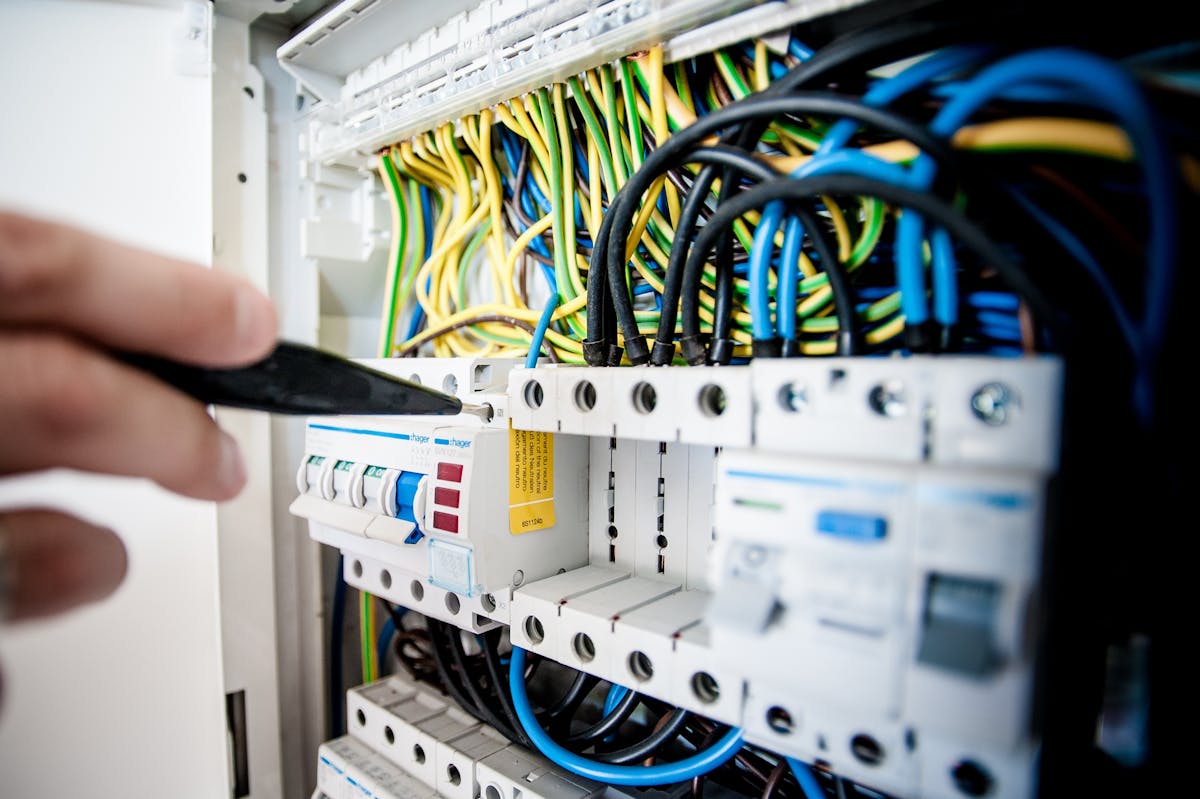
Your electrical panel is the single most ignored fire risk in your home. It sits in a basement, garage, or utility closet — quietly carrying every amp of power your house uses — and almost no one inspects it until something goes wrong. When something does go wrong, the fire usually starts inside the panel itself: a loose lug, a failing breaker, an arcing neutral. By the time you smell smoke, the fire has already chewed through insulation and is climbing into the wall.
This guide covers the best electrical panel fire suppression options in 2026, how breaker-box fires actually start, what works and what doesn't, and how to choose the right protection for your specific panel.
Why Electrical Panel Fires Are So Dangerous
According to the National Fire Protection Association (NFPA), electrical distribution and lighting equipment is involved in roughly 13% of home structure fires — and panels, breakers, and wiring are the most common ignition source within that category. The U.S. Fire Administration tracks tens of thousands of residential electrical fires every year, and a significant share originate in or near the main service panel.
Three things make breaker-box fires uniquely dangerous:
- They start hidden. The fire is inside a metal enclosure, behind a door, often behind drywall. You don't see flames until they've already spread.
- You can't use water. The panel is energized. Throwing water on an electrical fire can electrocute you and won't put it out.
- The power is still on. Unless the main breaker trips (which it often doesn't in an internal panel fire), the source of ignition keeps feeding the fire.
That last point is why an automatic, in-enclosure suppression device makes so much more sense here than a manual extinguisher you'd have to grab, aim, and discharge into a live panel.
How Electrical Panel Fires Actually Start
Knowing the ignition source helps you choose the right protection. The most common causes of breaker box fires:
- Loose terminal connections. Over years of thermal cycling, screws on breaker lugs and the neutral/ground bars work loose. Loose connections create resistance, resistance creates heat, and heat eventually ignites the plastic breaker housing.
- Failing breakers. Breakers wear out. A breaker that should have tripped on an overload but didn't can cook itself — and the wiring attached to it.
- Defective panels. Federal Pacific Stab-Lok, Zinsco, and certain Challenger panels have well-documented failure rates. If you own a home built between 1950 and 1990 and haven't replaced the panel, you may be living next to a known hazard.
- Aluminum branch wiring. Aluminum wiring connected to copper-rated terminals (without proper anti-oxidant treatment and Cu/Al-rated devices) is a leading cause of connection-point fires.
- Rodent damage and moisture intrusion. Mice love warm panels. Chewed insulation plus condensation plus 240V equals an eventual arc.
Every one of these failure modes happens inside the panel enclosure. That's where the suppression needs to be.
What "Electrical Panel Fire Suppression" Actually Means
There is no commercial sprinkler system for a residential breaker box. Water and electricity don't mix, and even pre-action dry-pipe systems are massive overkill (and not approved) for a small panel enclosure. What you actually want is a self-activating, in-panel fire suppression device — a small unit mounted inside the panel that detects heat and discharges a non-conductive, non-toxic fire-suppression agent directly at the source.
This is the niche the Haven Automatic Fire Suppressor was designed to fill. It activates automatically at approximately 200°F (well below the temperature at which most plastic breaker housings ignite), requires no power, no batteries, no Wi-Fi, no app, and no human intervention. You install it once. It watches the panel for you.
Electrical Panel Fire Suppression Options Compared
| Option | Works in a Live Panel? | Automatic? | Power Required? | Best For |
|---|---|---|---|---|
| Smoke detector near panel | No — alerts only | Detection only | Battery / wired | Notification |
| Manual ABC extinguisher | Risky — panel is energized | No | None | Backup, not primary |
| Residential sprinkler | No — not for panels | Yes | Water supply | Whole-home wet suppression |
| Clean-agent extinguisher (handheld) | Yes, if you're there | No | None | IT closets, manual response |
| Automatic in-panel suppressor (e.g., Haven) | Yes | Yes | None | Electrical panels, sub-panels, transfer switches |
If you're shopping specifically for breaker-box protection, see the Haven Automatic Fire Suppressor lineup — it's the category that fits this use case.
What to Look For in a Breaker Panel Fire Suppression Device
Not all in-enclosure suppression devices are equal. Here's what actually matters for an electrical panel application:
- Non-conductive agent. The suppression agent must be safe to discharge on energized electrical equipment. Water, foam, and standard dry chemical (which leaves a corrosive residue) are all wrong choices.
- No-residue or low-residue formulation. After the fire is out, you want to be able to assess the panel without scrubbing corrosive powder off every breaker.
- Self-activation by heat, not smoke. Smoke detectors inside a sealed metal box are unreliable. Heat-triggered devices respond to the actual fire condition.
- Compact form factor. Most residential panels have very little dead space. The device has to fit without contacting live bus bars or breaker terminals.
- No power required. The whole point is that this protects the panel — you can't rely on the panel itself for power to the suppression device.
- UL or equivalent third-party certification. Look for independent testing, not just manufacturer claims.
- Made in USA / serviceable. For a device with a multi-year service life that's protecting your home, supply-chain transparency matters.
Haven's automatic suppressors check every one of these boxes — they're made in the USA, require no power or app, use a non-conductive clean-agent formula, and self-activate at panel-fire temperatures.
How to Install Electrical Panel Fire Suppression
You should never open an energized electrical panel without proper training, PPE, and an understanding of what you're looking at. For most homeowners, installation looks like this:
- Shut off the main breaker (and confirm with a non-contact voltage tester that the bus is de-energized). If you're not comfortable doing this, hire a licensed electrician — the labor is typically under an hour.
- Identify a mounting location inside the panel enclosure where the suppression device will not contact any energized component or interfere with the panel cover. Most panels have free space near the top or along the sides.
- Mount the device using the manufacturer's adhesive backing or bracket. Verify clearance from breaker handles and bus bars.
- Document the install with a label on the panel cover noting the device type, install date, and expected service life.
- Re-energize and verify normal operation.
For sub-panels, transfer switches, and generator interlock panels, the same approach applies. If you have multiple panels in the home (main + sub), each one needs its own device.
Other Steps to Reduce Electrical Panel Fire Risk
Suppression is the last line of defense. Pair it with these prevention measures:
- Have your panel inspected every 5–10 years by a licensed electrician. Loose lugs are cheap to fix and expensive to ignore.
- Replace known-defective panels. If your home has a Federal Pacific Stab-Lok or Zinsco panel, budget for replacement — the Consumer Product Safety Commission has documented their failure history.
- Install AFCI/GFCI breakers where code requires (and consider them where it doesn't). AFCIs specifically detect the arcing conditions that precede many electrical fires.
- Don't overload circuits. Space heaters, window AC units, and EV chargers are common overload culprits.
- Keep the panel area clear. NFPA 70 requires 36 inches of working clearance in front of a panel. Don't store boxes, paint cans, or laundry against it.
- Listen for hum, smell for ozone, look for discoloration. Any of these means call an electrician now, not next month.
Frequently Asked Questions
Can I put an automatic fire extinguisher inside my breaker box?
Yes — specifically a self-activating, in-enclosure suppressor designed for electrical environments. A standard handheld ABC extinguisher does not belong inside a panel.
Will the suppression device damage my panel if it discharges?
A properly designed clean-agent suppressor leaves minimal residue and does not damage breakers, bus bars, or wiring. After discharge, an electrician should inspect the panel before re-energizing.
How long does an automatic fire suppressor last?
Haven's units have a multi-year service life with date markings printed on the device. Replace at end-of-life or after any activation event.
Do I need a separate device for my sub-panel?
Yes. Each panel enclosure is an independent fire risk and needs its own suppressor.
Does homeowners insurance care if I install one?
Many insurers offer discounts for proactive fire-prevention measures. Ask your carrier — documentation of the install date and product can help during a claim, too.
Bottom Line
The electrical panel is the one place in your home where a fire can start invisibly, behind a metal door, with the power source still feeding the flames. Smoke alarms will tell you the fire exists; manual extinguishers require you to be home, awake, and willing to spray a chemical agent at an energized 200-amp service. Neither is a real solution.
An automatic, in-enclosure fire suppressor is the only category of protection actually designed for this failure mode. It sits inside the panel, watches the temperature, and discharges a non-conductive agent at the source the moment a fire starts — whether you're home, asleep, or on vacation.
Protect Your Panel Before It Fails
Haven Automatic Fire Suppressors are made in the USA, require no power, no app, and no human intervention. They self-activate inside your electrical panel the moment a fire starts.
Related reading: Best Automatic Fire Extinguisher for Garage in 2026 • How Automatic Fire Suppression Devices Work (And Why They're Better Than Sprinklers) • Best Server Room Fire Suppression for Small Business in 2026