
Best Automatic Fire Extinguisher for Garage in 2026: How to Protect the Riskiest Room in Your Home
0 Comments
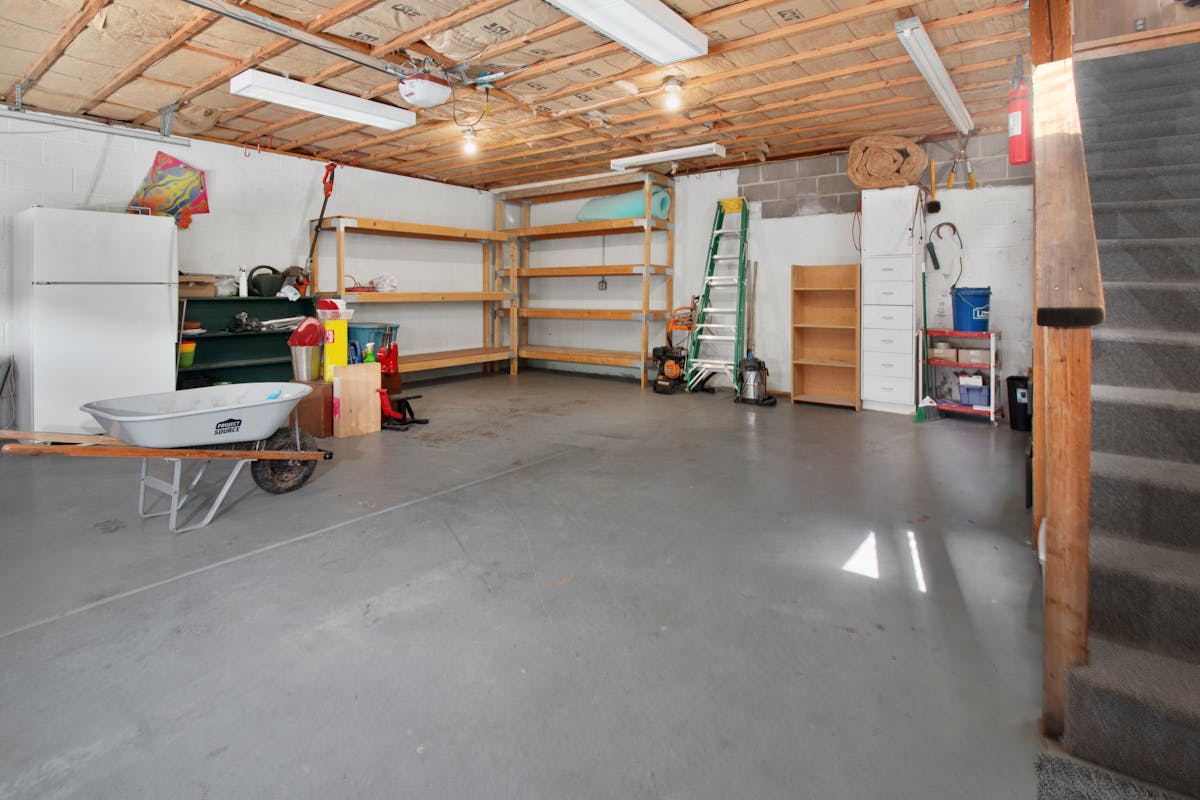
If you're searching for the best automatic fire extinguisher for garage protection in 2026, you've probably already realized something most homeowners haven't: the garage is the one room where fires start most often while nobody is watching. It's where the e-bike charges overnight, where the breaker panel hums, where oily rags sit in a corner, and where the gas can lives two feet from a water heater pilot light. This guide covers why garages burn, what an automatic garage fire suppression system actually does, how it compares to sprinklers and handheld extinguishers, and how to choose the right unit for your space.
Why the Garage Is Your Home's Highest-Risk Room
According to the National Fire Protection Association (NFPA), U.S. fire departments respond to thousands of residential garage fires every year, and garage fires spread farther and cause more damage per fire than fires starting in most other rooms — largely because they burn longer before anyone notices. The ignition sources are specific and predictable:
- Lithium-ion battery charging. E-bikes, scooters, power-tool packs, and lawn equipment batteries charge in the garage, often overnight. A cell in thermal runaway goes from warm to open flame in seconds.
- The electrical panel. Most breaker boxes live in the garage. Loose lugs, corroded connections, and overloaded circuits arc inside a closed metal cabinet. (We covered this in depth in our electrical panel fire suppression guide.)
- Flammable liquids and vapors. Gasoline, solvents, and propane cylinders release vapors that pool at floor level near water-heater pilot lights and garage-door motors.
- Oily rags and finishes. Stain- or linseed-oil-soaked rags can self-heat and spontaneously ignite in a trash can.
- Hot work and tools. Grinding sparks, welding spatter, and a battery charger left on a wooden bench.
Add one more factor: many garages have no smoke detector at all, and the connecting door hides a fire from the living space until it's well developed. The U.S. Fire Administration recommends heat alarms rather than smoke alarms in garages precisely because dust and exhaust cause nuisance trips — which means most garages are effectively unmonitored.
What an Automatic Fire Extinguisher for Garage Use Actually Does
An automatic fire extinguisher is a self-activating suppression device. Instead of relying on a person to grab a handheld unit, it mounts above the hazard — the charging bench, the panel, the fuel shelf — and triggers on heat. When the temperature at the unit reaches its activation threshold, a heat-sensitive element releases the suppressant directly onto the fire below. No person, no power, no plumbing, no app, no monitoring contract.
That last part matters in a garage. A device that needs Wi-Fi or house current fails exactly when garage fires often begin — during an electrical fault. If you want the full mechanics, read our guide to how an automatic fire extinguisher works.
Shopping for a garage solution? Haven's Automatic Fire Suppressors are made in the USA, require no power and no app, and mount above your charging station, workbench, or panel in minutes. See the Haven Home Fire Safety collection →
Automatic Extinguisher vs. Sprinklers vs. Handheld: An Honest Comparison
People searching for garage fire suppression usually weigh three options. Each has a legitimate place — here's how they compare for a residential garage:
| Factor | Automatic extinguisher | Fire sprinkler | Handheld extinguisher |
|---|---|---|---|
| Works when nobody's home | Yes — heat-activated | Yes — heat-activated | No — needs a person |
| Installation | DIY, mounts in minutes | Licensed plumber/contractor; permits | Hang on a bracket |
| Typical cost (garage) | Low hundreds per unit | Thousands (retrofit) | $30–$80 |
| Water damage | None (dry agent) | Significant | Depends on agent |
| Freeze risk | No | Yes in unheated garages | No |
| Best role | Targeted 24/7 protection over specific hazards | Whole-structure protection in new construction | Backup when you're present |
To be clear: if you're building a new home, a sprinkler system is excellent whole-house protection, and every garage should still have a handheld ABC extinguisher near the door. But for retrofitting targeted, unattended protection over the specific spots where garage fires start, an automatic unit is the practical option — it's the only one of the three you can install this weekend that works at 3 a.m.
How to Choose the Best Automatic Fire Extinguisher for Garage Hazards
Use this checklist when comparing garage fire suppression products:
- Coverage matched to the hazard. Measure the footprint of your charging bench, panel wall, or fuel shelf. One unit mounted directly above a defined hazard beats one unit vaguely covering the whole bay.
- No external power required. Electrical faults cause garage fires; protection shouldn't die with the circuit.
- Rated for the fire classes in a garage. You want effectiveness on Class A (wood, cardboard), Class B (gasoline, solvents), and Class C (energized electrical) fires.
- Temperature tolerance. Garages swing from below freezing to summer heat. Check the unit's rated operating range.
- Clean, dry suppressant. A dry-agent discharge is a cleanup job; a burned garage is a rebuild.
- Simple mounting and zero maintenance contracts. If it needs a technician, a subscription, or an app, it's the wrong tool for a garage.
Haven's Automatic Fire Suppressors check every box above: heat-activated, made in the USA, no power, no plumbing, no app, and designed for exactly these mount-above-the-hazard installations.
Where to Mount Automatic Fire Suppression in a Garage
Placement drives performance. The highest-value locations, in order:
- Above the battery charging area — e-bike, scooter, and power-tool chargers. This is the fastest-growing garage fire cause in 2026.
- Above or beside the electrical panel — arcing inside the cabinet is invisible until it isn't.
- Over the flammables shelf — gasoline, solvents, propane storage.
- Over the workbench — hot work, chargers, and clutter concentrate here.
- Near the water heater or furnace if they share the garage.
For most two-car garages, two units — one over the charging/bench zone and one over the panel or fuel storage — cover the realistic ignition map. Pair them with a heat alarm for notification and a handheld extinguisher by the door, and you've built layered protection for less than the deductible on a fire claim. If your garage doubles as a workshop or you're protecting a small structure like a shed or cabin, our small-space fire suppression guide applies the same logic to compact buildings.
Garage Fire Prevention: 7 Habits That Cost Nothing
- Charge lithium batteries on a metal or masonry surface, never against drywall or on the wood bench, and unplug when full.
- Store gasoline in approved containers, capped, away from ignition sources and floor-level pilot lights.
- Hang oily rags to dry flat or store them in a sealed metal can — never balled up in the trash.
- Keep a 3-foot clear zone around the panel, water heater, and furnace.
- Don't daisy-chain power strips for chargers and freezers; garage circuits are usually 15–20 A.
- Install a heat alarm (not a smoke alarm) in the garage and check the battery twice a year.
- Close the garage-to-house door at night — it's a fire door and buys your family time.
Frequently Asked Questions
Do I need a fire extinguisher in my garage?
Yes — at minimum a handheld ABC unit near the exit. But because garage fires typically start unattended, an automatic fire extinguisher for garage hazards adds the protection a handheld can't: it works when nobody is there.
Will an automatic extinguisher work on a lithium battery fire?
An automatic unit mounted above a charging station suppresses the flames and stops fire spreading to walls, shelving, and vehicles. Lithium cells in deep thermal runaway can reignite, so the unit's job is containment and early knockdown — which is what turns a total loss into a scorched bench. Notification (a heat alarm) should always be layered on top.
Are automatic fire extinguishers legal for home garages?
Yes. They're a supplement to — not a replacement for — code-required smoke/heat alarms. Check local requirements if your garage is a rental or commercial space; NFPA codes and standards are the reference point most jurisdictions use.
How many units does a two-car garage need?
Usually two, mounted over the actual hazards (charging area, panel, fuel shelf) rather than centered on the ceiling.
Do they require maintenance?
A periodic visual check of the pressure indicator and mounting. No plumbing, no refills unless discharged, no service contract.
Protect your garage before the next overnight charge
Haven Automatic Fire Suppressors are made in the USA, heat-activated, and need no power, no plumbing, and no app. Mount one over your charging bench or panel this weekend.
Sources: NFPA Research; U.S. Fire Administration — Home Fires; NFPA Codes & Standards.