
E-Bike Battery Fire Safety in 2026: How to Protect Your Home from Lithium Battery Fires
0 Comments
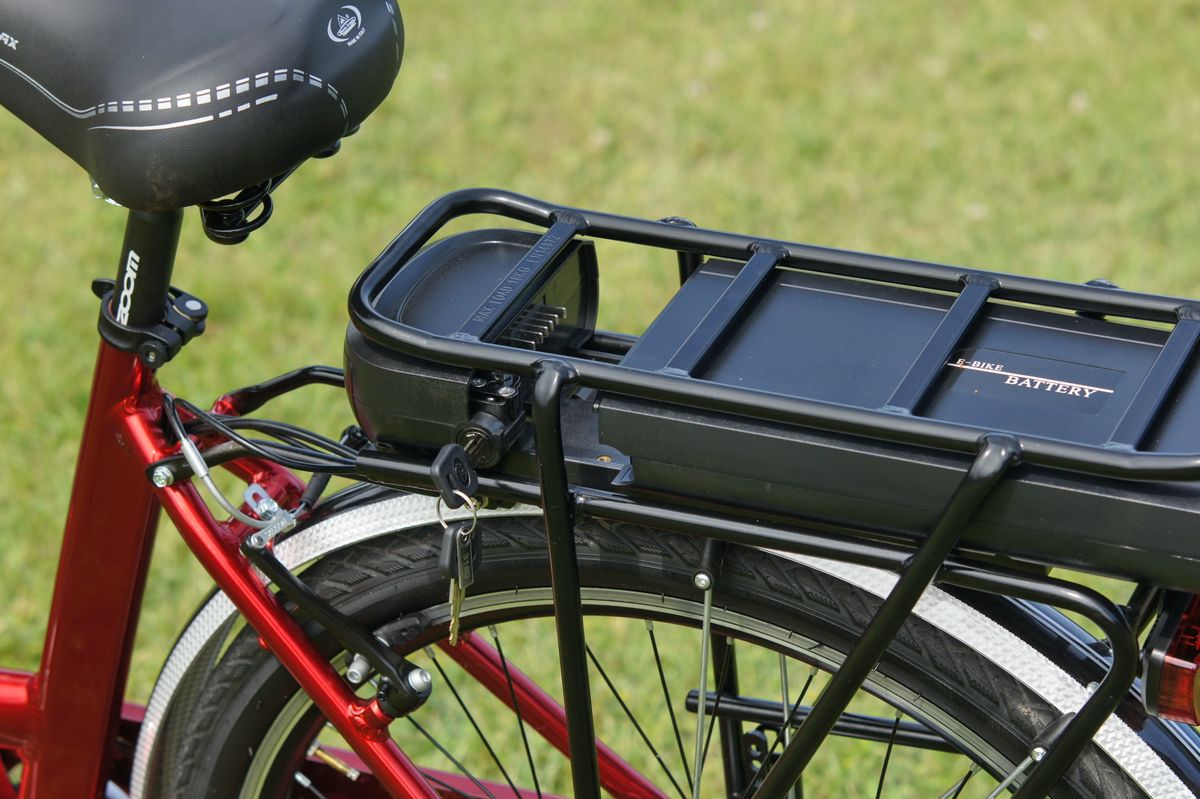
If you charge an e-bike, e-scooter, or spare lithium battery packs inside your home, e-bike battery fire safety should be near the top of your household priority list in 2026. Lithium-ion battery fires have become one of the fastest-growing causes of residential fires in the United States, and they behave differently from almost every other fire risk in your home: they ignite without warning, escalate in seconds, and frequently start while the battery is charging unattended overnight. This guide explains why e-bike batteries fail, where in your home the risk concentrates, a practical e-bike fire prevention checklist, and how automatic lithium battery fire suppression compares to smoke alarms, manual extinguishers, and sprinklers.
Why E-Bike Battery Fire Safety Is Different from Ordinary Fire Risk
Most home fires give you some warning — smoldering wiring, a hot smell, visible smoke. A failing lithium-ion cell does not. When one cell inside a battery pack short-circuits, it enters thermal runaway: the cell's temperature spikes, it vents flammable electrolyte gas, and the heat cascades into neighboring cells. A pack can go from apparently normal to jetting flames in under a minute. According to the National Fire Protection Association (NFPA), lithium-ion battery fires burn hotter and spread faster than typical household fires, and they can reignite even after they appear extinguished.
The most common triggers of thermal runaway in e-bike batteries are:
- Overcharging or charging with the wrong charger. Aftermarket and mismatched chargers are the single most cited factor in e-bike fire investigations.
- Physical damage. A dropped or crash-damaged pack can develop internal shorts that surface days or weeks later.
- Cheap or uncertified battery packs. Packs without UL 2849 / UL 2271 certification skip the protective circuitry that stops a single cell failure from becoming a fire.
- Heat exposure. Charging in direct sun, next to a radiator, or in a hot garage accelerates cell degradation.
- Age and deep discharge. Old, swollen, or fully depleted packs that get recharged are disproportionately represented in fire reports.
Where Lithium Battery Fires Start at Home
The U.S. Fire Administration (FEMA) warns that most lithium battery fires happen where devices charge — and that is usually the worst possible place for a fire to start. The typical charging spots share three dangerous traits: they're unattended for hours, they're near flammable material, and they're often between you and your exit.
- The garage — the #1 e-bike charging location, usually surrounded by fuel, solvents, and cardboard. If this is where your bike lives, read our guide to the best automatic fire extinguisher for a garage.
- The hallway or entryway — convenient for commuters, but a battery fire here can block your only escape route. This is why New York City now restricts charging near exits in many buildings.
- Apartments and rentals — where installing hardwired suppression is rarely an option, and where a small fire becomes a building-wide emergency fast.
- Basements and mudrooms — out of sight, out of mind, and often out of earshot of the household's smoke alarms.
E-Bike Fire Prevention Checklist: 8 Rules That Actually Matter
- Charge only with the manufacturer's charger, and buy batteries certified to UL 2849 (e-bike systems) or UL 2271 (packs).
- Never charge overnight or while away from home. Most fatal e-bike fires start while people sleep.
- Charge on a hard, non-combustible surface — concrete or tile, not carpet, beds, or couches.
- Keep at least three feet of clearance around a charging battery, and never charge in a doorway or exit path.
- Stop using any pack that is swollen, dented, hot to the touch, hissing, or smells sweet or chemical — move it outside away from the building immediately.
- Don't buy salvaged, refurbished, or no-name replacement packs; the Consumer Product Safety Commission ties a large share of incidents to uncertified aftermarket batteries.
- Unplug the charger once the pack is full — don't rely on the charger's auto-shutoff.
- Put automatic fire suppression directly over the charging area, because prevention reduces risk but never eliminates it.
Lithium Battery Fire Suppression: Comparing Your Options
Because a lithium battery fire develops in seconds rather than minutes, the honest question isn't "will I respond in time?" — it's "what happens if nobody is there to respond at all?" Here's how the common protection layers stack up against a thermal-runaway fire:
| Protection | Works unattended? | Acts on the fire? | Key limitation for battery fires |
|---|---|---|---|
| Smoke alarm | Yes | No — alert only | By the time smoke triggers it, the fire is already growing; useless if nobody is home |
| Manual extinguisher | No | Yes, if someone is present | Requires a person awake, nearby, and willing to approach a jetting battery fire |
| Water sprinklers | Yes | Yes | Expensive to retrofit, not renter-friendly, and causes major water damage |
| Automatic fire suppressor (heat-activated) | Yes | Yes — automatically | Covers a defined area (position it directly over the charging zone) |
Smoke alarms are mandatory and manual extinguishers are worth owning — but neither one acts on a fire that starts at 3 a.m. while your battery charges in the garage. That's the specific gap automatic suppression exists to close. For a deeper explanation of the technology, see our guide on how an automatic fire extinguisher works.
If you're shopping for a charging-area solution: the Haven Automatic Fire Suppressor mounts on the ceiling above your e-bike charging spot and activates on heat — no power, no plumbing, no app.
How an Automatic Suppressor Protects Your Charging Area
A heat-activated automatic fire suppressor like the Haven works on a simple principle: it sits above the risk zone and triggers on the heat signature of a real fire — not smoke, steam, or burnt toast. When a battery enters thermal runaway below it, the rising heat activates the unit and it discharges suppressant over the area automatically, whether you're asleep, at work, or on vacation.
For e-bike owners specifically, that fit is strong because:
- No power required — a battery fire that trips your breaker can't disable it.
- No app, no Wi-Fi, no monitoring fees — nothing to configure and nothing to fail silently.
- Renter-friendly installation — mounts in minutes over the charging area, unlike sprinkler retrofits.
- 100 sq ft of coverage and 5 years of protection per unit — sized for a charging corner, garage bay, or battery shelf.
- Made in USA and heat-activated, so no false alarms from dust or exhaust.
One unit over the charging zone is the highest-leverage placement. If your charging spot sits near your breaker box, it's also worth reading our guide to electrical panel fire suppression — the two risks often share a wall.
E-Bike Battery Fire Safety FAQ
Can I put out a lithium battery fire with a regular fire extinguisher?
A standard ABC extinguisher can knock down the flames, but a pack in thermal runaway generates its own heat and oxygen and frequently reignites. Your priority should be evacuating and calling 911 — which is exactly why unattended, automatic protection over the charging area matters.
Is it safe to charge an e-bike battery indoors at all?
Yes, with certified equipment and the precautions above. The goal isn't to banish the bike — it's to charge attended, on a safe surface, away from exits, with automatic suppression overhead as the failsafe.
Do e-bike batteries catch fire when not charging?
They can. Damaged or degraded cells can enter thermal runaway during storage, which is why swollen or dropped packs should leave the building immediately. Charging remains the highest-risk window.
Where exactly should I mount an automatic fire suppressor for my e-bike?
Directly above the charging location, on the ceiling. Heat rises, so overhead placement gives the earliest activation and drops suppressant straight onto the fire's origin.
Protect Your Charging Area Before the Next Charge
The Haven Automatic Fire Suppressor watches your e-bike charging spot 24/7 — heat-activated, made in the USA, no power or app required, 5 years of protection per unit.